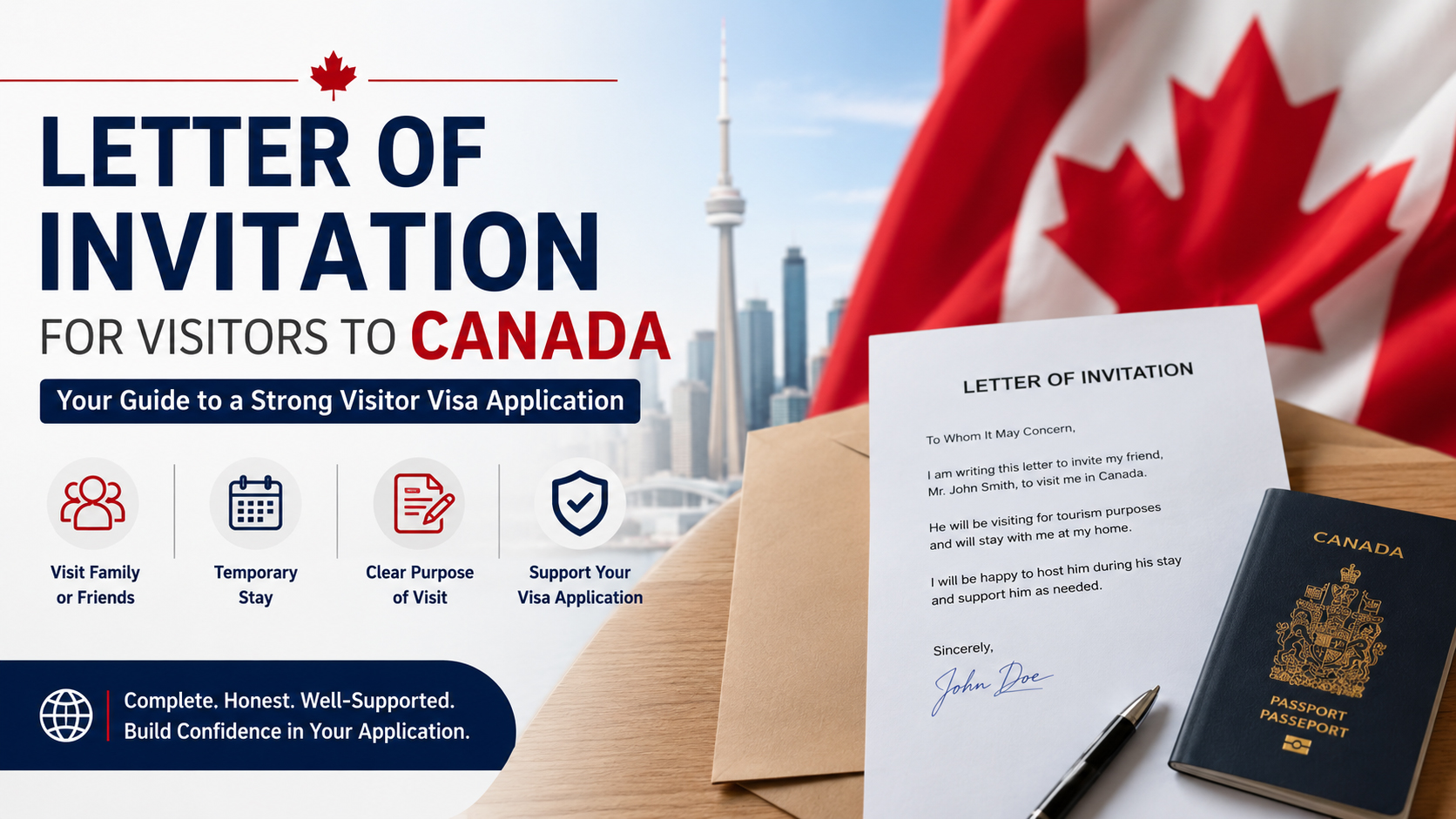
Becoming a permanent resident (PR) of Canada is an exciting and rewarding journey. As a permanent resident, you will have the ability to live, work, and study anywhere in Canada, enjoy universal healthcare benefits, and access social services. But how do you navigate the permanent residency (PR) process? What are the steps, requirements, and tips for success? In this blog post, we will walk you through the entire process of obtaining Canadian permanent residency, including the various immigration pathways, eligibility criteria, and the application process. Whether you’re applying through Express Entry, Provincial Nominee Programs (PNPs), or family sponsorship, we’ve got you covered.
What is Canadian Permanent Residency?
Permanent Residency (PR) allows non-citizens to live and work in Canada indefinitely. While PR holders don’t have the full rights of Canadian citizens (such as voting), they enjoy most of the same benefits, including access to healthcare, social services, and employment opportunities.
After obtaining PR, you can apply for Canadian citizenship once you meet residency requirements.
Eligibility Requirements for Canadian Permanent Residency
To qualify for permanent residency, you must meet the specific eligibility requirements of the immigration program you are applying for. The general eligibility criteria include:
- Valid Passport: You must have a valid passport or travel document.
- Language Proficiency: Most programs require you to prove proficiency in either English or French by taking approved language tests such as IELTS (International English Language Testing System) or TEF (Test d’évaluation de français).
- Proof of Funds: You must demonstrate that you can financially support yourself and your family members while in Canada.
- Medical Examination: You and your family members may be required to undergo a medical examination to ensure you meet Canada’s health standards.
- Criminal Background Check: Applicants and their family members may need to submit police clearance certificates to prove they do not have a criminal record.
The requirements may vary depending on the immigration stream you choose. Let’s explore the main pathways for applying for permanent residency in Canada.
Popular Pathways to Canadian Permanent Residency
Canada offers multiple pathways for individuals to become permanent residents. The two most popular options are Express Entry and Provincial Nominee Programs (PNP).
1. Express Entry System
The Express Entry system is Canada’s fast-track immigration pathway for skilled workers. It is a points-based system that manages applications for three federal immigration programs:
- Federal Skilled Worker Program (FSW)
- Federal Skilled Trades Program (FST)
- Canadian Experience Class (CEC)
How it works:
- Eligibility: To enter the Express Entry pool, you must meet the eligibility requirements for one of the federal programs.
- Comprehensive Ranking System (CRS): Once you enter the pool, you will be ranked according to the Comprehensive Ranking System (CRS), which awards points based on factors such as age, work experience, education, and language proficiency.
- Invitation to Apply (ITA): The highest-ranking candidates in the pool receive Invitations to Apply (ITA) for permanent residency. ITA recipients have 60 days to submit a complete application for PR.
Express Entry is often the quickest way to get PR, with most applications processed in 6 months or less.
2. Provincial Nominee Program (PNP)
The Provincial Nominee Program (PNP) allows provinces and territories in Canada to nominate individuals for permanent residency based on local labor market needs. If you receive a nomination from a province, you are awarded an additional 600 CRS points, greatly improving your chances of receiving an ITA through Express Entry.
How it works:
- Nomination: To apply for a PNP, you must first apply directly to the province or territory of your choice. If nominated, you can then apply for PR through the Express Entry system or submit a paper-based application to IRCC.
- Provincial Streams: Each province has its own PNP streams, targeting specific occupations or industries in need of skilled workers. For example, British Columbia may have a stream for tech workers, while Ontario may have a stream for healthcare professionals.
3. Family Sponsorship Program
If you are a Canadian citizen or permanent resident, you can sponsor your family members for permanent residency in Canada. This program is specifically designed for individuals who want to reunite with their loved ones, such as:
- Spouse or Common-Law Partner
- Dependent Children
- Parents and Grandparents
- Other Relatives (in certain circumstances)
The family sponsorship process requires you to meet specific eligibility requirements, including being able to support your family member financially and not having a criminal record.
4. Business Immigration Programs
If you are an entrepreneur or investor, Canada has specific immigration pathways for you, including:
- Start-Up Visa Program: Designed for entrepreneurs who want to establish an innovative business in Canada. Applicants must have a qualifying business idea and support from a designated Canadian organization (e.g., venture capital firms).
- Investor and Entrepreneur Streams: Some provinces offer specific streams for business owners, investors, and self-employed individuals who want to contribute to the local economy by establishing or investing in businesses.
How to Apply for Canadian Permanent Residency
The process for applying for permanent residency can vary depending on the program you are applying through. Here’s a general outline of the steps involved:
Step 1: Choose the Right Immigration Program
Assess your eligibility for the different programs (Express Entry, PNP, Family Sponsorship, etc.) and choose the one that best suits your background, skills, and goals.
Step 2: Create an Online Profile (for Express Entry)
If you’re applying through Express Entry, create an online profile, submit your credentials, and enter the pool. If you’re applying through a PNP, you’ll need to apply directly to the province first.
Step 3: Submit the Application
Once you receive an Invitation to Apply (ITA) or a provincial nomination, submit a complete application with all supporting documents (e.g., proof of work experience, language test results, medical exams, police clearances).
Step 4: Wait for Processing
Once submitted, your application will be reviewed by Immigration, Refugees, and Citizenship Canada (IRCC). Processing times can vary based on the program and your specific situation. Express Entry applications are typically processed within 6 months.
Step 5: Receive Confirmation of Permanent Residence (COPR)
If your application is approved, you will receive a Confirmation of Permanent Residence (COPR), which will allow you to officially land in Canada as a permanent resident.
How F.A.L. Immigration Services Ltd. Can Help
The Canadian permanent residency process can be complex, but you don’t have to navigate it alone. At F.A.L. Immigration Services Ltd., we provide expert guidance and personalized services to help you succeed in your application.
Our services include:
- Eligibility Assessment: We’ll help you determine which immigration pathway is best for you based on your qualifications and goals.
- Application Assistance: We guide you through every step of the application process, ensuring all documentation is complete, accurate, and submitted on time.
- Follow-Up Support: We monitor the status of your application and assist with any additional steps or requests from Canadian immigration authorities.
Start Your Journey to Canadian Permanent Residency Today!
Becoming a permanent resident of Canada is a life-changing opportunity, and we’re here to help you every step of the way. Whether you’re applying through Express Entry, a Provincial Nominee Program, or family sponsorship, we have the expertise to guide you through the process.Contact us today for a free consultation, and let us help you take the first step toward permanent residency in Canada!